
Africa
South Africa
Cape Town is where KBT's international placement programme began. Under Table Mountain, students step straight into some of the most advanced social enterprises in the southern hemisphere, organisations that turn work, dignity and skills into a real way out of homelessness and addiction. KBT cooperates with Good Hope Volunteers and works closely with U-turn Homeless Ministries, whose 25-year pathway out of homelessness is a living case study in everything the college teaches about social entrepreneurship and recovery.
Partner organisations
- · Good Hope Volunteers, Cape Town
- · U-turn Homeless Ministries, Cape Town
Current projects
- · International practice placements in Cape Town
Previous projects
- [TO BE ADDED]
Type of cooperation
- · Student Mobility
- · Social Entrepreneurship
- · Development Projects
Student opportunities
- · Practice placement in Cape Town (approved for Lånekassen support from spring 2026)
- · Work alongside U-turn's service centres, charity shops and work-readiness programmes
- · Work with women's employment initiatives, recovery and rehabilitation, youth and community development
Staff opportunities
- · Professional visits
- · Workshops and joint module development
Research collaboration
Cooperation focuses on developing new models for international practice and on knowledge exchange between South African and Norwegian professional environments.
From the field
Study stay in Cape Town

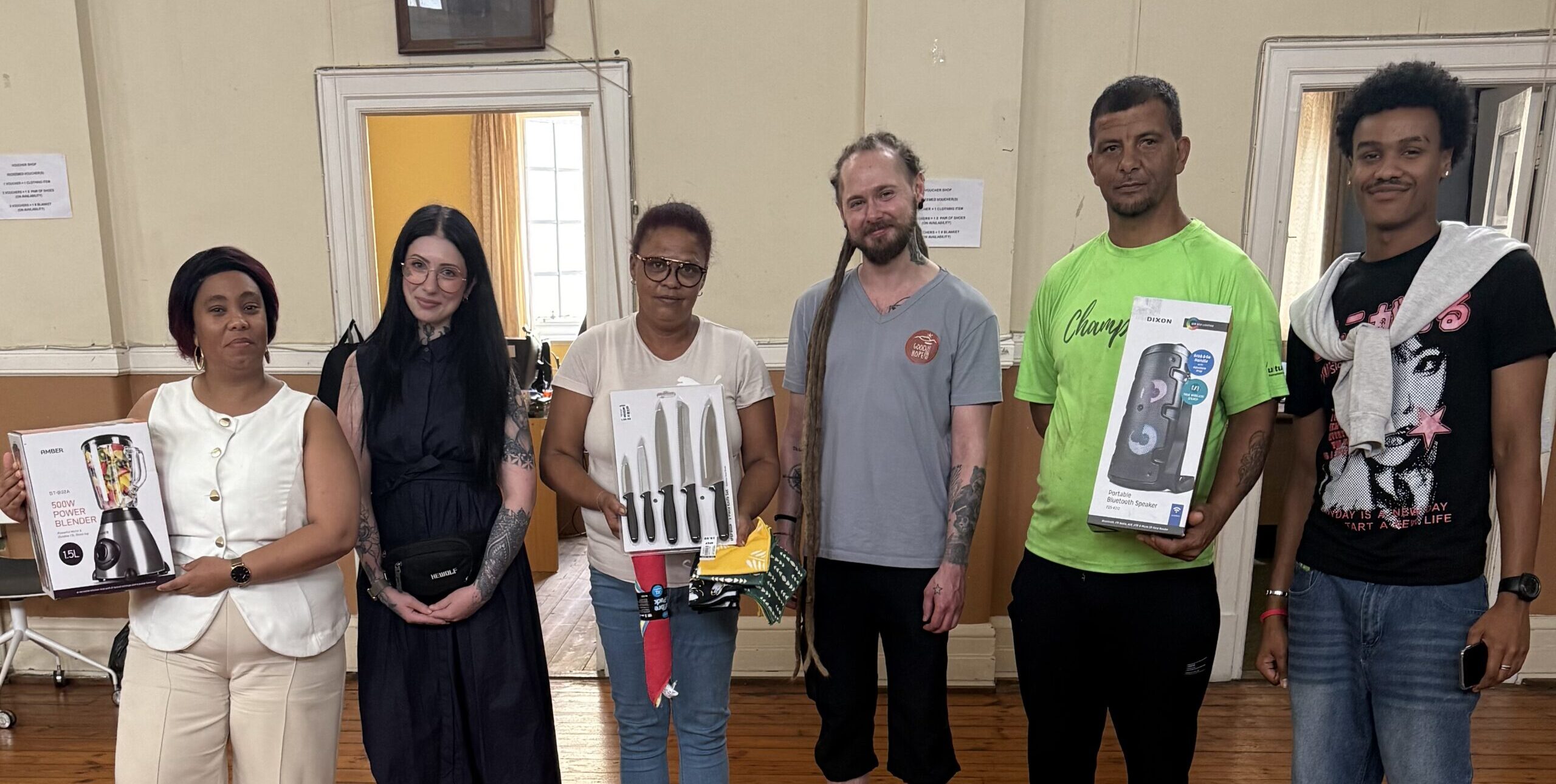
Good Hope Volunteers
KBT's partner in Cape Town hosting students on international practice placements, volunteer work, social enterprises and inclusion initiatives.
goodhopevolunteers.com →Partner in focus
U-turn, a pathway out of homelessness
Overcoming homelessness in South Africa through skills, work and dignity.
South Africa carries one of the highest unemployment rates in the world. Young people grow up in communities with few routes into education or work, and for many the street, gangs or addiction become the default outcome. U-turn Homeless Ministries in Cape Town was built to interrupt exactly that trajectory.
Over more than 25 years, U-turn has developed a skills-based life change programme designed by a multidisciplinary team of occupational therapists, social workers, homeless support workers, counsellors, trainers and life coaches. Instead of handing out relief, the programme builds a pathway: shelter and stabilisation, rehabilitation and sobriety, structured skills training, and then real paid work inside U-turn's own charity shops and social enterprises, until participants can step into open employment.
The results are measured, not assumed. Six months after graduating, U-turn checks in on every champion: the large majority remain sober, remain employed and remain housed. That combination of lived experience, structured skills training and enterprise revenue is precisely what KBT teaches in Social Entrepreneurship and the Peer-Worker Education, which makes U-turn one of the most instructive learning environments a KBT student can enter.
For students on placement in Cape Town, U-turn offers direct contact with people in recovery, insight into how a social enterprise finances social value, and hands-on experience of work readiness, coping and reintegration in a very different societal context from Norway.
Social entrepreneurship in practice
TCB, Taking Care of Business
From crisis to opportunity: a Cape Town social enterprise turning surplus goods and unemployment into a circular economy.
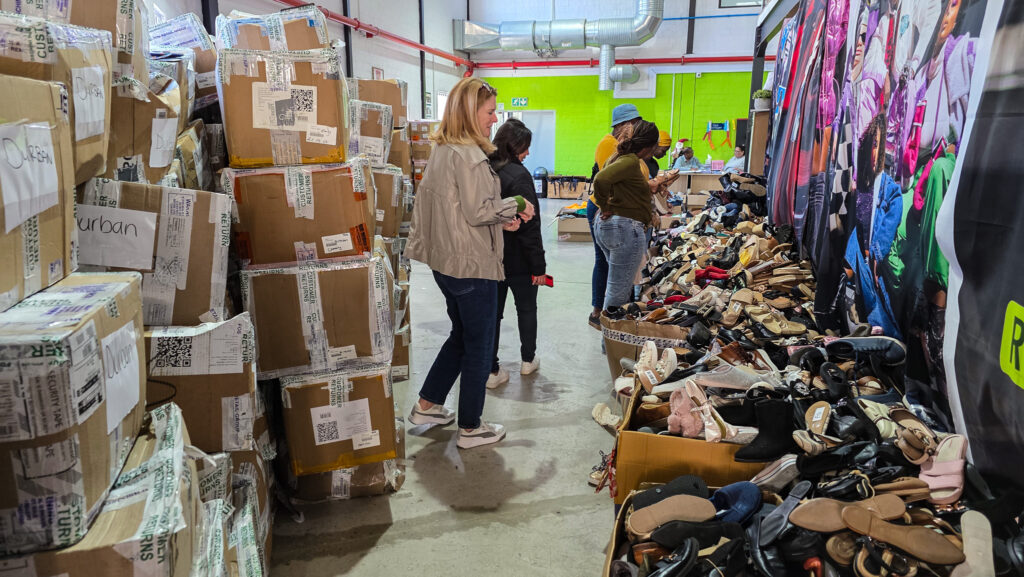
South Africa stands in the middle of a double crisis: high unemployment and enormous amounts of waste. Large retail chains discard millions of tonnes of unsold goods every year, while millions of children grow up in low-income families. Founded in 2010 in a Cape Town garage, formerly known as The Clothing Bank, TCB found the opportunity in the middle of that crisis.
Today TCB cooperates with many of South Africa's largest retailers. Goods that would otherwise be thrown away are sorted, repaired and made available to entrepreneurs at heavily reduced prices. The participants, mostly unemployed women, receive training, mentoring and coaching to start their own small businesses. The model runs in six steps: Collect – Sort – Distribute – Repair – Develop – Sustain, with programmes from Resell and Repair to Remake and GROW Educare Centres.
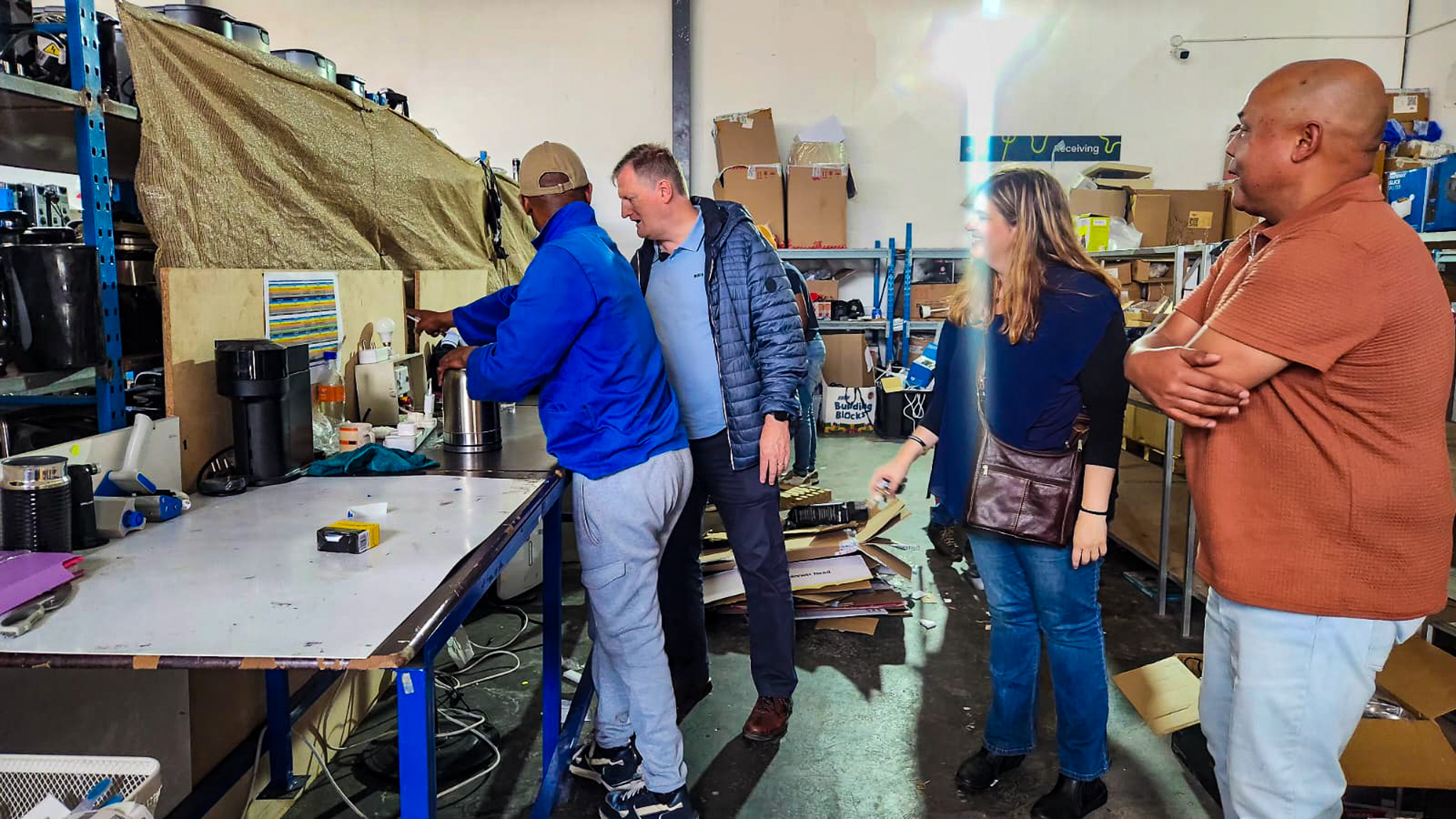
The KBT delegation met "Fred", a formerly unemployed man who learned to repair household goods and today runs his own shop at TCB, known in the neighbourhood as "the street's repairman". TCB turns 15 in 2025 and is internationally recognised for entrepreneurship, job creation and the circular economy.
"Here we see how environment, business and human dignity can be combined in one model. This is something our students can learn enormously much from," says International Coordinator Nils-Erik Volden.
The context
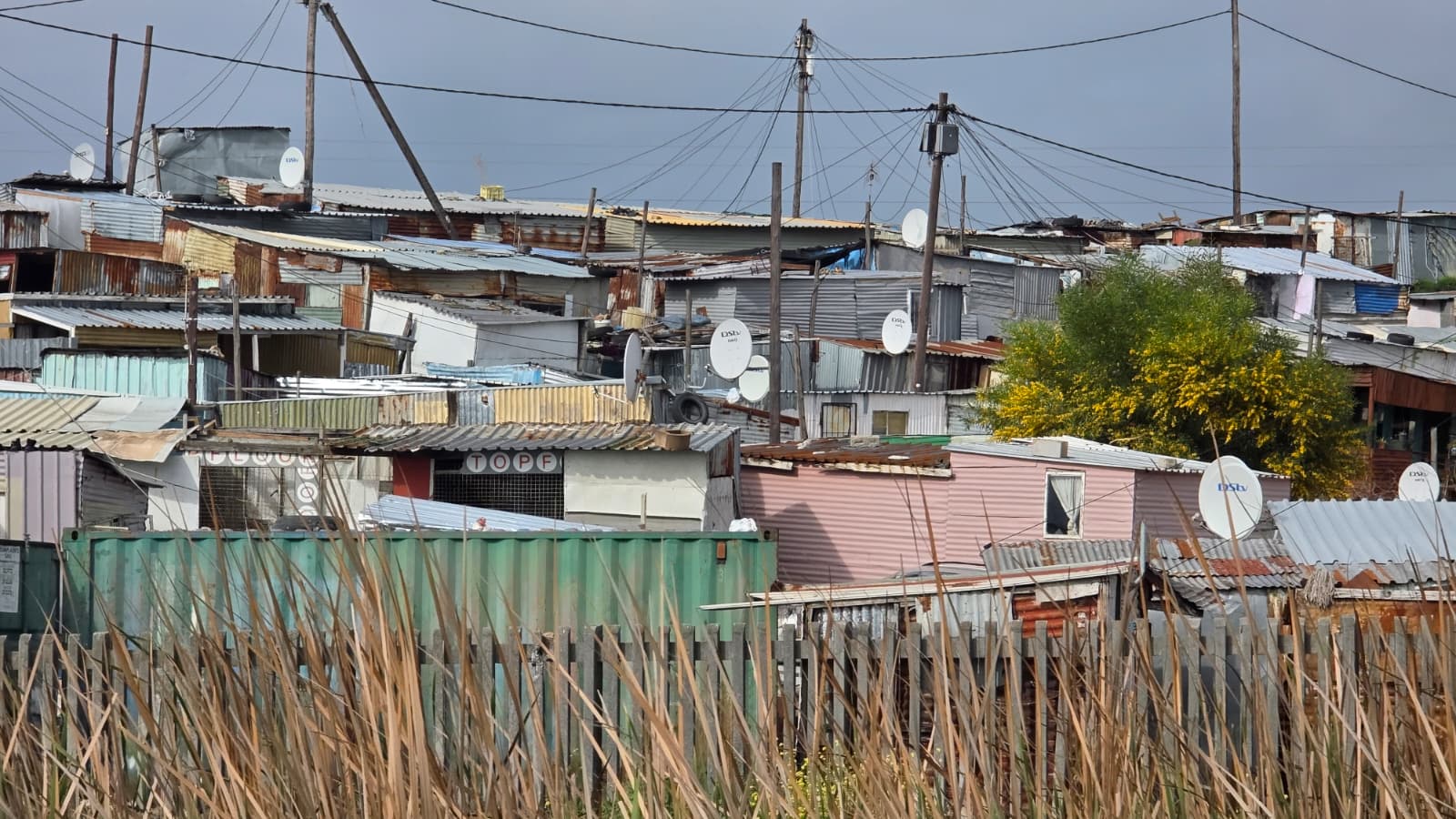
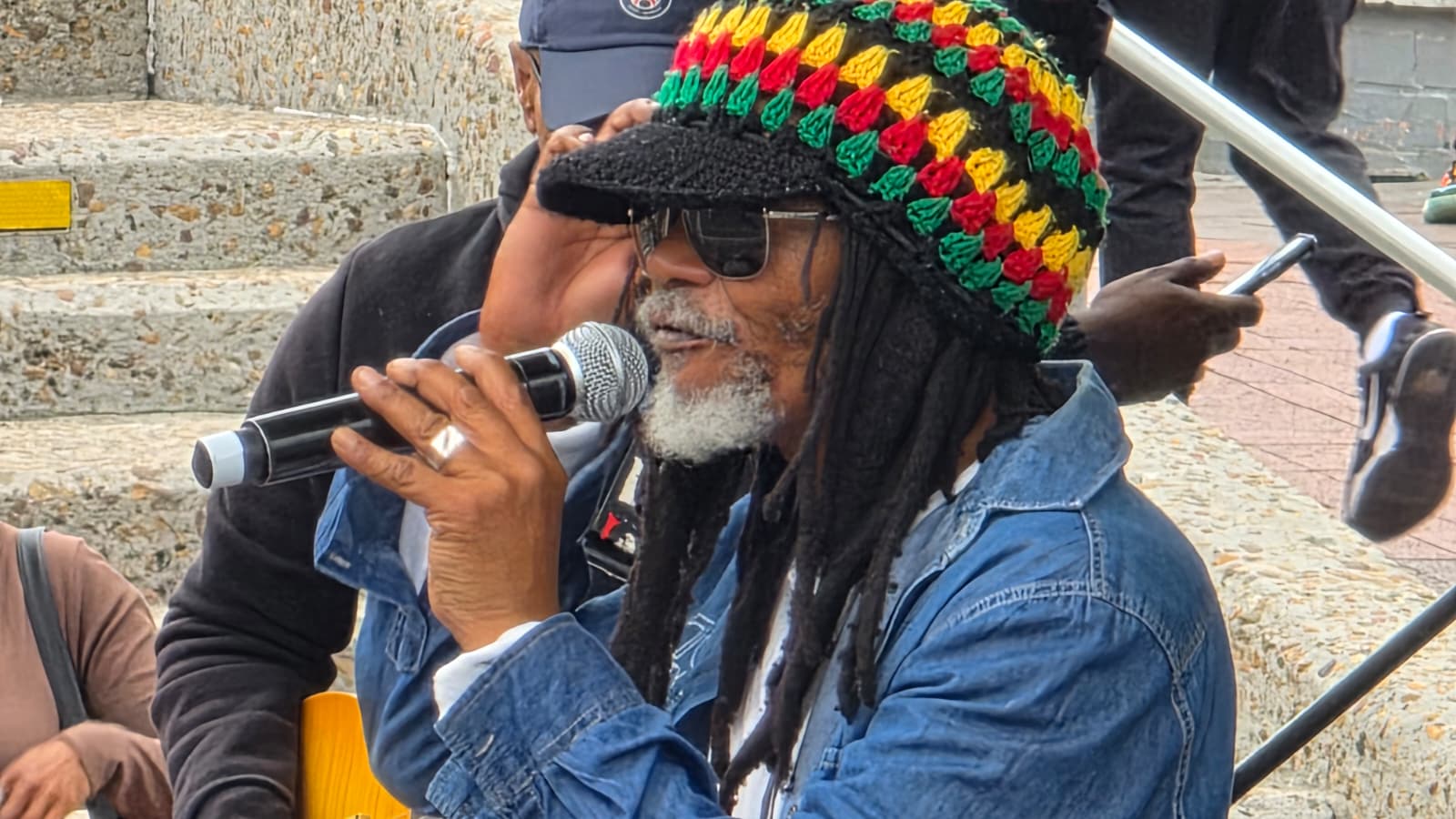
Everyday Cape Town
The communities students work in, townships, local gatherings and the daily realities behind South Africa's unemployment and housing challenges.
On the ground
Volunteers in action in Cape Town
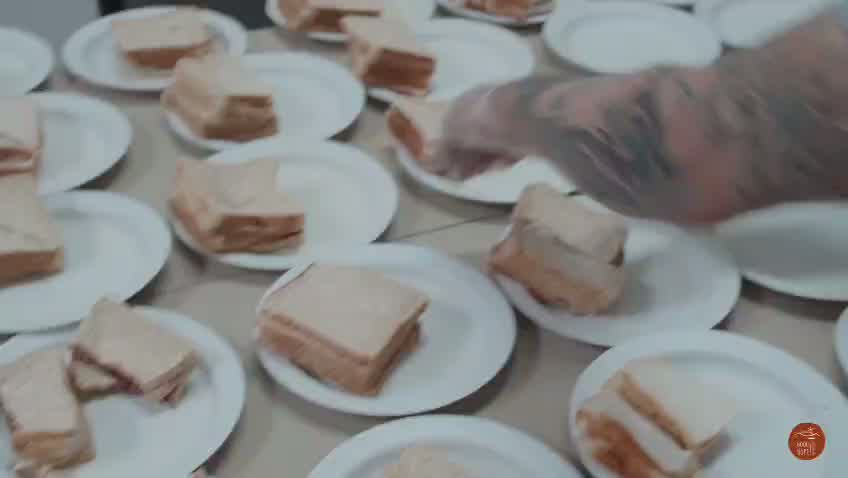
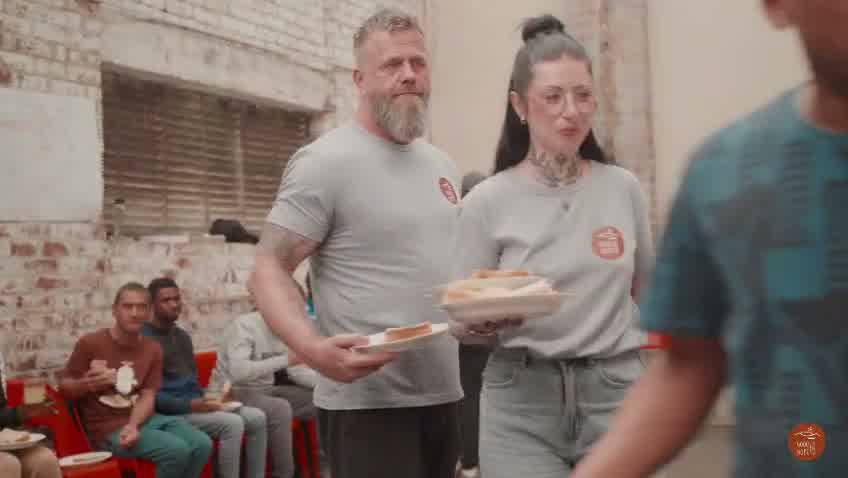
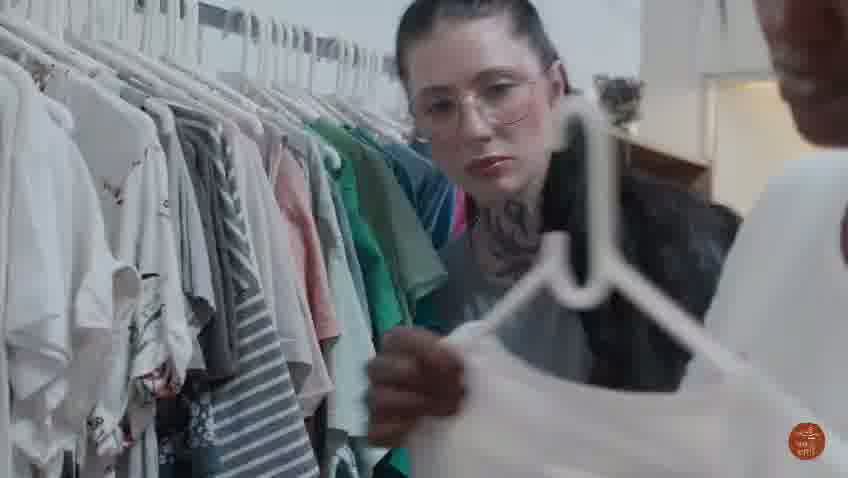
From the daily kitchen and meal service to sorting donated clothing, the volunteer work KBT students join during their placement with Good Hope Volunteers.

News