
About
About KBTVocational College
KBT Vocational College is a NOKUT-accredited Norwegian higher vocational institution and approved research organisation, with its head office in Trondheim and eight campuses across Norway.
The college
Education – Research – Practice – Innovation
Rather than separating education and research from the realities of society, KBT develops knowledge together with professionals, public services, communities and people with lived experience.
Who we are
KBT is a Norwegian higher vocational education and research organisation specialising in mental health, social entrepreneurship, peer support, recovery-oriented practice, user involvement and social innovation. Its roots go back to the Competence Center for User Involvement and Service Innovation, established in 2006.
Accreditation
KBT Vocational College is accredited by NOKUT, the Norwegian Agency for Quality Assurance in Education. The programmes give a certificate with 60 study credits. KBT is also an approved research organisation.
Students and programmes
Two accredited one-year programmes are offered: Social Entrepreneurship (60 credits) and the Peer-Worker Education (60 credits), the latter making KBT a Norwegian pioneer in professional education based on lived experience.
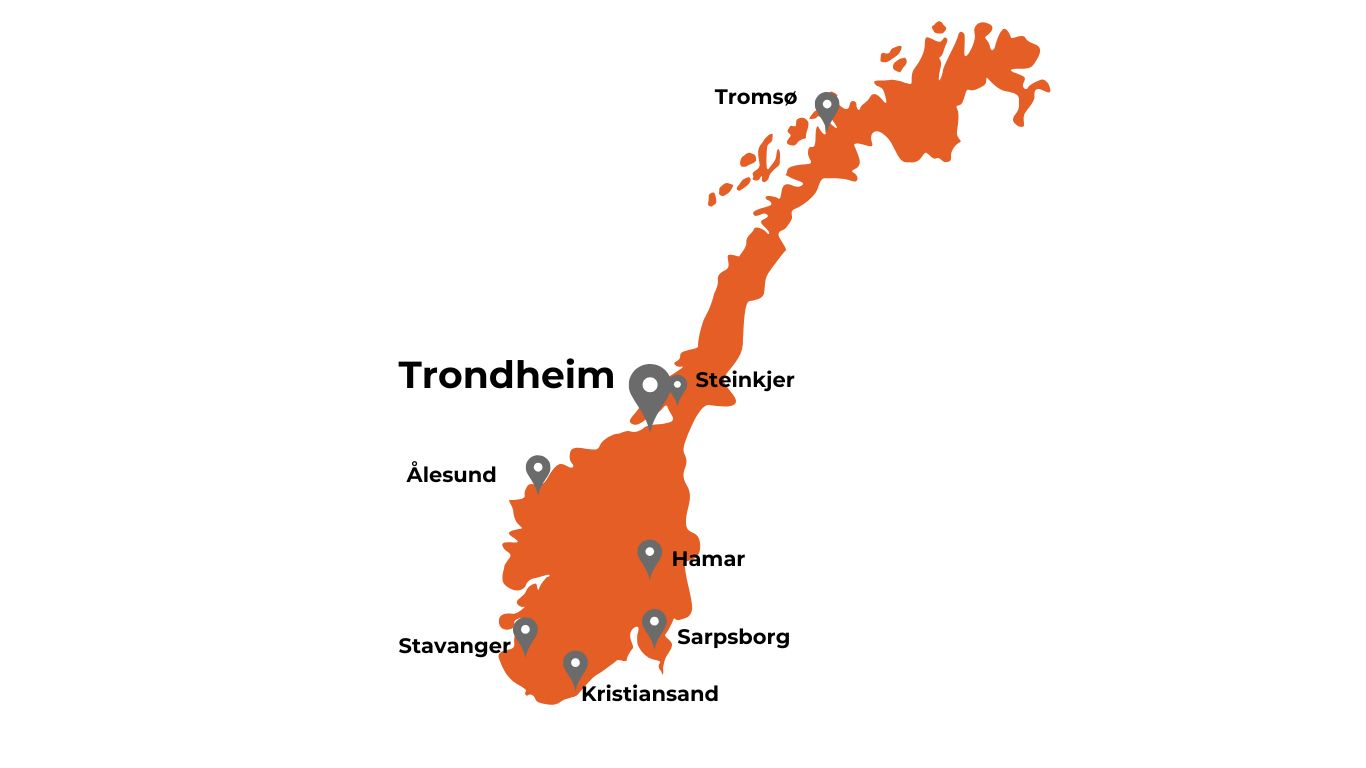
Eight campuses
The college operates through eight campuses across Norway, with the head office in Trondheim and study locations in Tromsø, Steinkjer, Ålesund, Hamar, Sarpsborg, Stavanger and Kristiansand.
A practice-based model
Theory → practice → reflection → development. Students work with real challenges and take part in placements and projects where they apply what they learn in professional environments.
Hybrid and decentralised
KBT combines digital teaching with physical gatherings and local practical activity, so students can receive high-quality education while remaining connected to their own regions and communities.
Experience-based knowledge
Knowledge is created not only through academic study, but also through experience, practice and systematic reflection. Students learn to apply experiential knowledge professionally and ethically.
International outlook
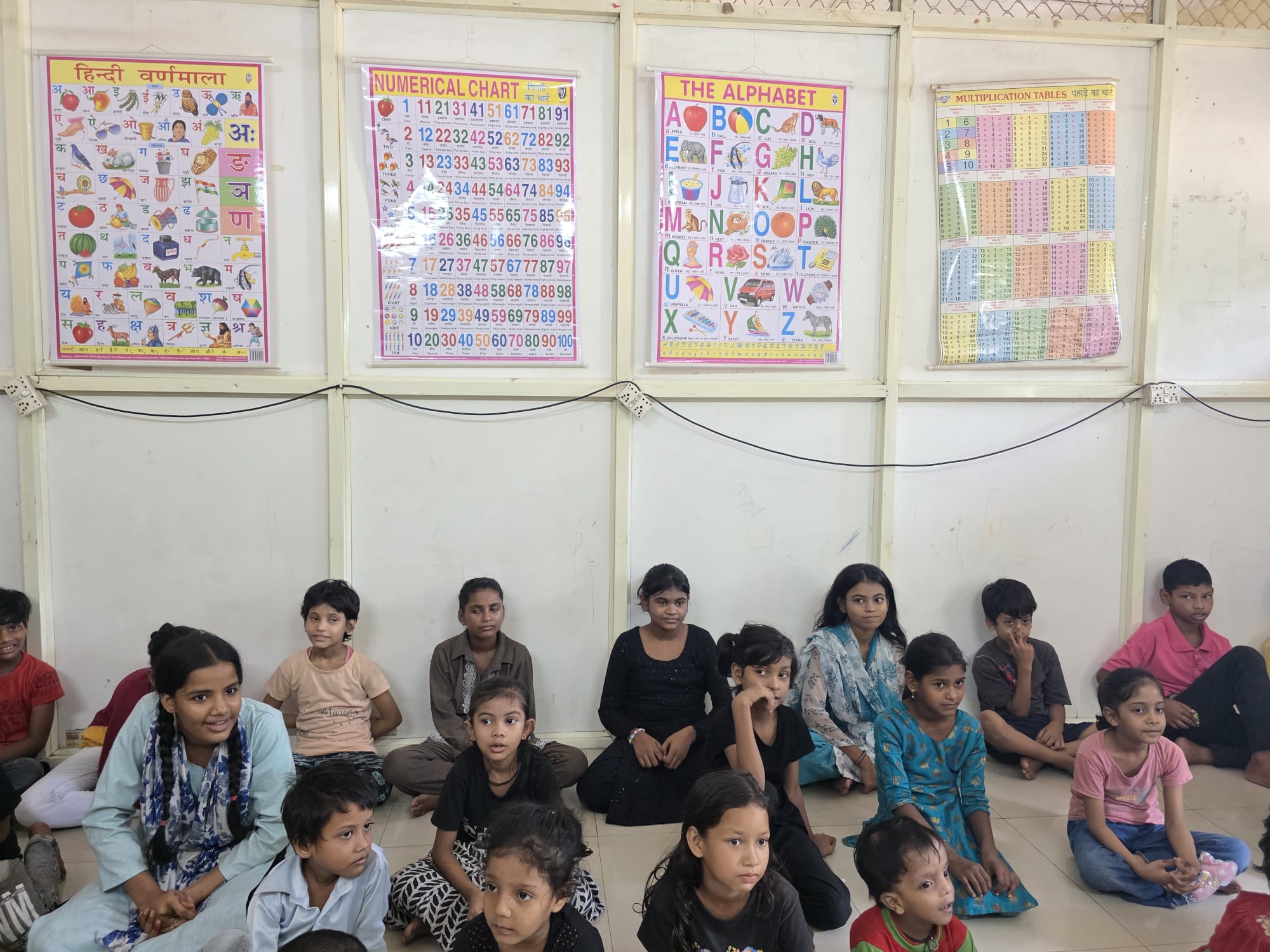
KBT cooperates across the European Union and with partners in China, India, South Africa and Brazil, on education, research, social entrepreneurship, mobility, placements and knowledge exchange.
Eight campuses
KBT Across Norway
From Tromsø in the Arctic north to Kristiansand on the southern coast, eight campuses connected to the head office in Trondheim.
Leadership
Rector: Karl Johan Johansen
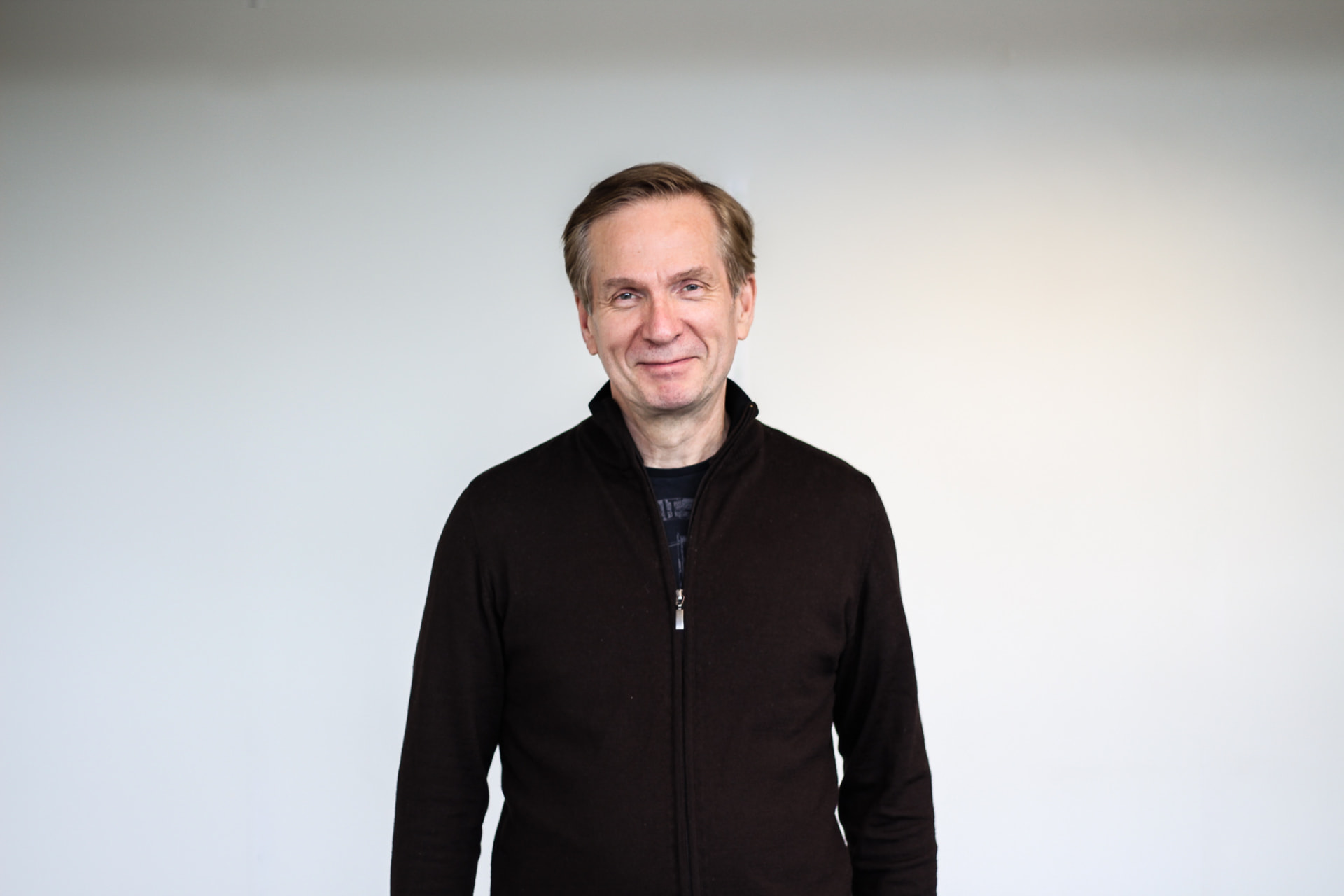
Karl Johan Johansen is the Rector of KBT Vocational College and the founder of the Competence Centre for Lived Experience and Service Development (KBT). A lecturer and researcher in organisation, leadership, recovery and social innovation, he spent more than 25 years at the University College of South-Trøndelag and NTNU before building KBT into a NOKUT-accredited vocational college and approved research organisation. He has led more than twenty national and EU-funded projects, including Interreg, Socrates/Minerva and EEA collaborations, in social entrepreneurship, peer support, user involvement and service innovation, and headed a Canada–Norway research collaboration on peer support in health systems together with McMaster University. With well over 100 publications, board roles at TISIP and Mental Health South-Trøndelag, and partnerships spanning Mid Sweden University, Alexandru Ioan Cuza University of Iași and McMaster in Canada, he anchors KBT's work where education, research and lived experience meet.
Sustainability
How KBT Contributes to the UN Sustainable Development Goals
Through its programmes, network cooperation and projects, KBT Vocational College contributes to several of the UN Sustainable Development Goals, something we are proud of. We mainly work towards the following goals:
Vision
Our International Vision
KBT's international approach is based on partnership rather than simply transferring Norwegian models to other countries. Different countries have different welfare systems, cultures, educational traditions and societal needs, so we emphasise co-development, where knowledge and methods are adapted and developed together with local partners.
International activity covers education and curriculum development, research and innovation, social entrepreneurship, student and staff mobility, international practice placements, mental health and social inclusion, community development and knowledge exchange.
Engagement
Cooperation at Every Level
KBT's international work spans partnerships, practice placements and projects , and extends into dialogue at governmental level, with regular meetings with Norwegian authorities.
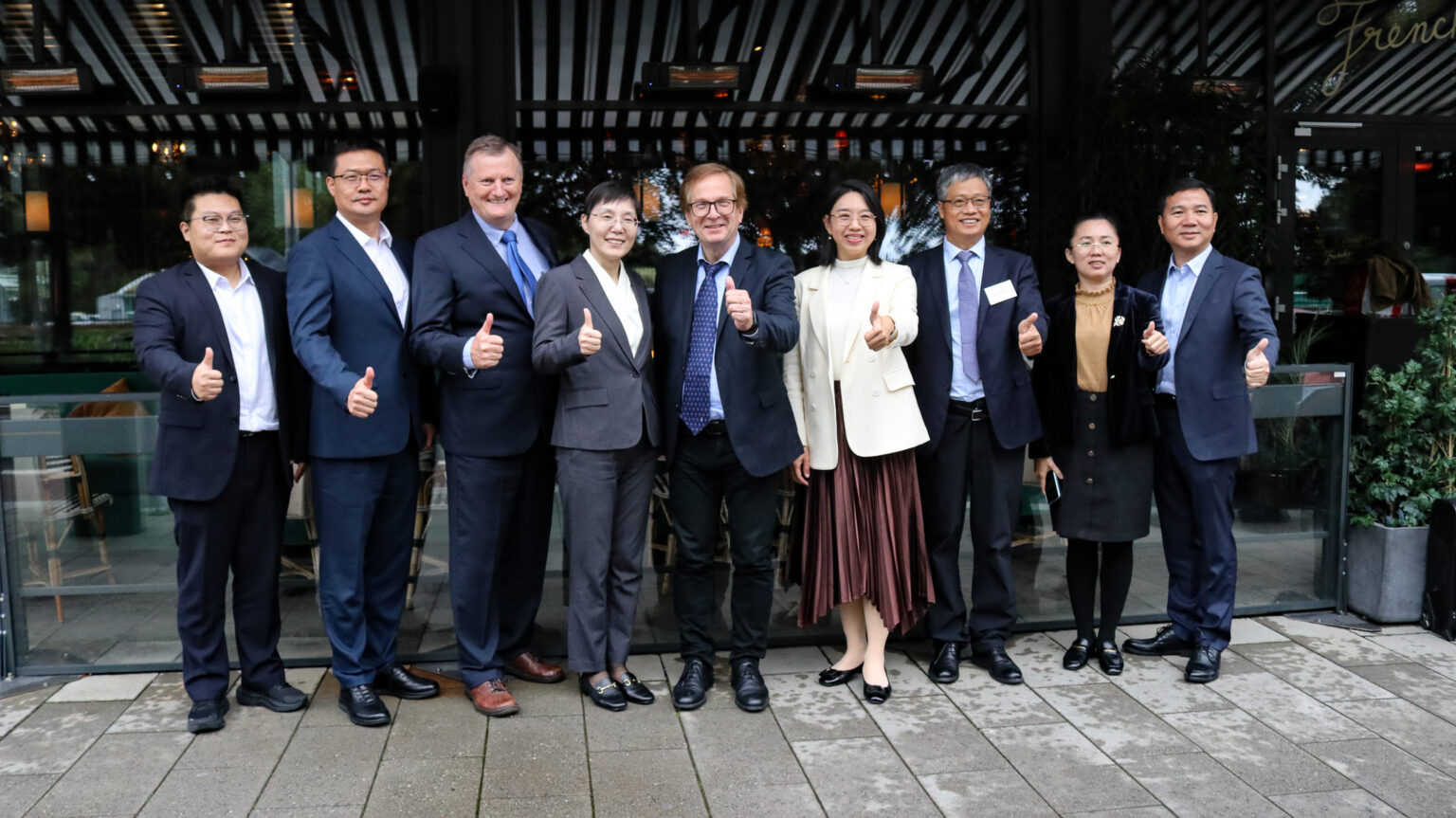
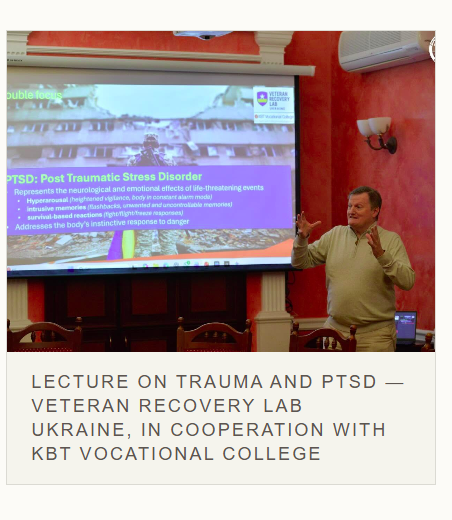
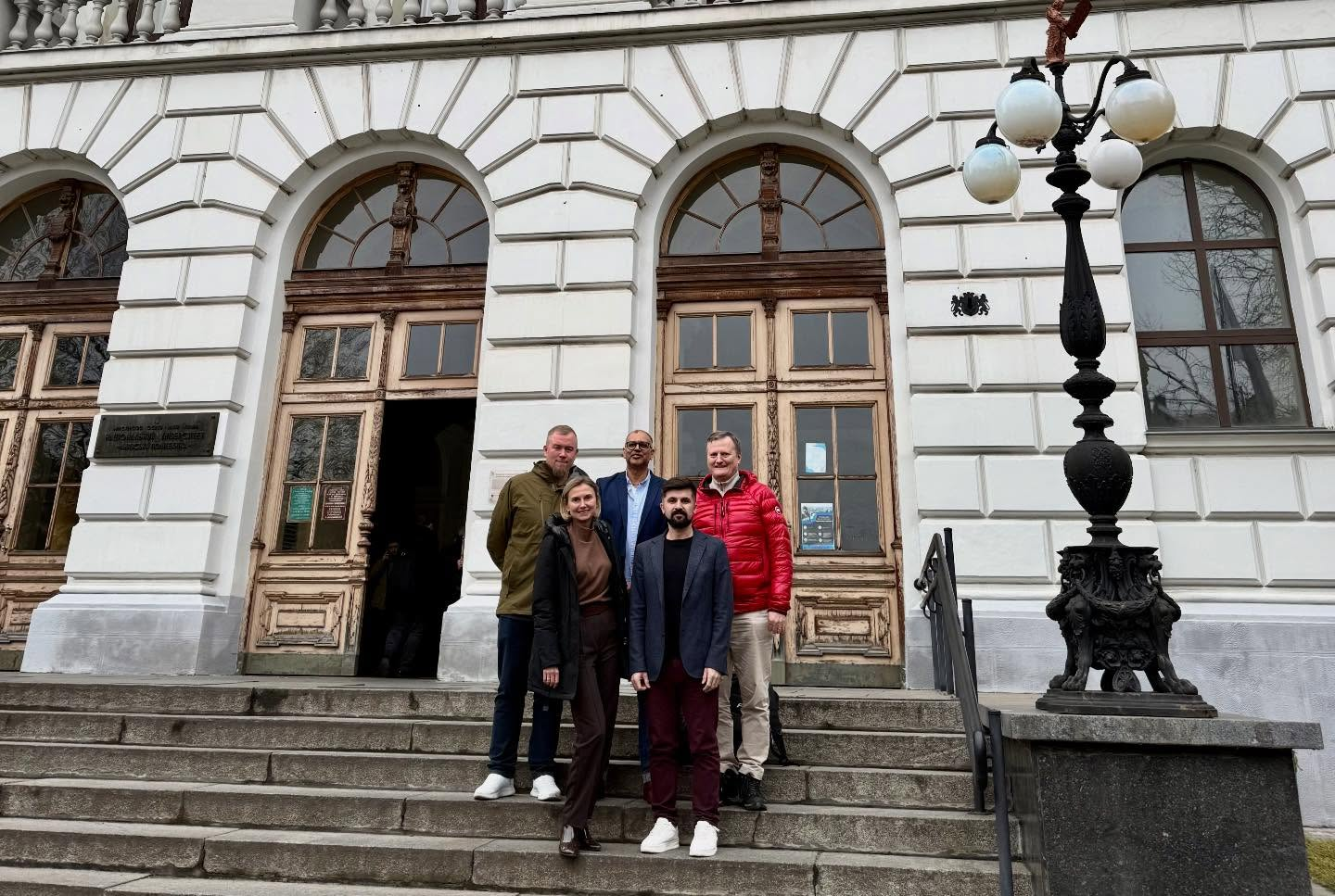
We were a special guest of China at the ASEAN meeting, the Association of Southeast Asian Nations, a regional intergovernmental organisation of ten Southeast Asian countries, held in connection with a free trade conference in Haikou, Hainan, and have hosted a facilitated meeting in Norway for representatives of the Chinese Ministry of Foreign Affairs. The International Office has also met with Ukraine's First Lady and Minister of Foreign Affairs, and has visited Ukraine three times for meetings with the Verkhovna Rada (Ukrainian Parliament), universities, veterans' organisations and NGOs.

Memories
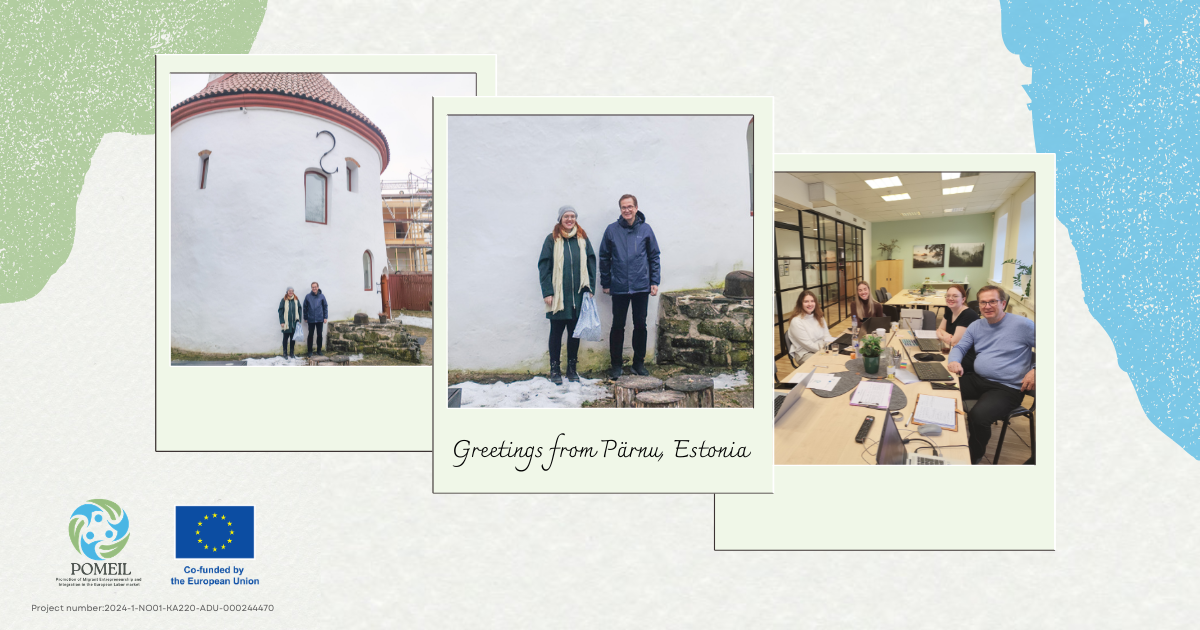
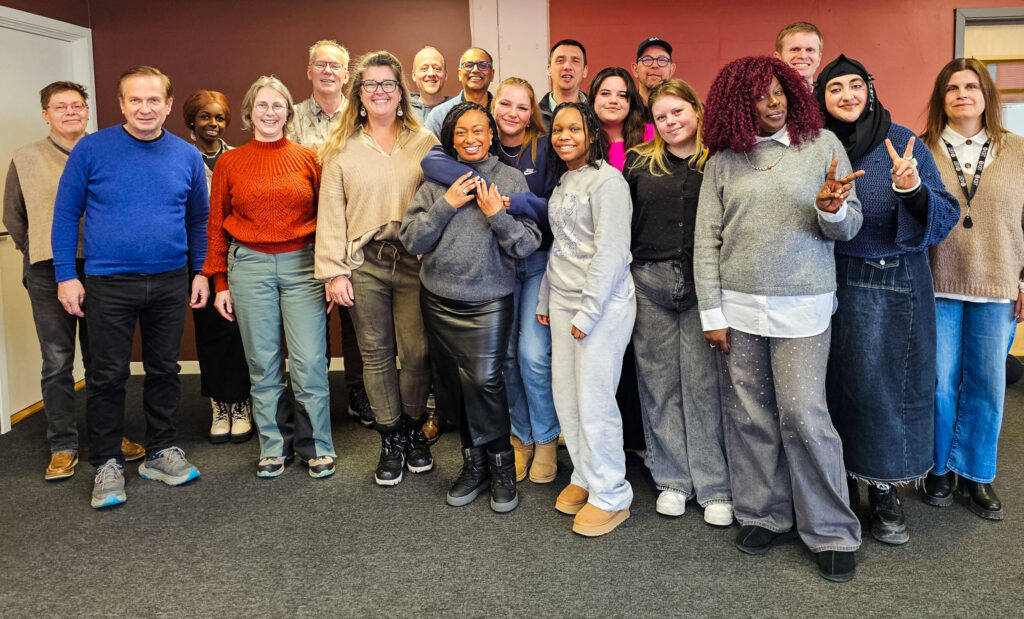
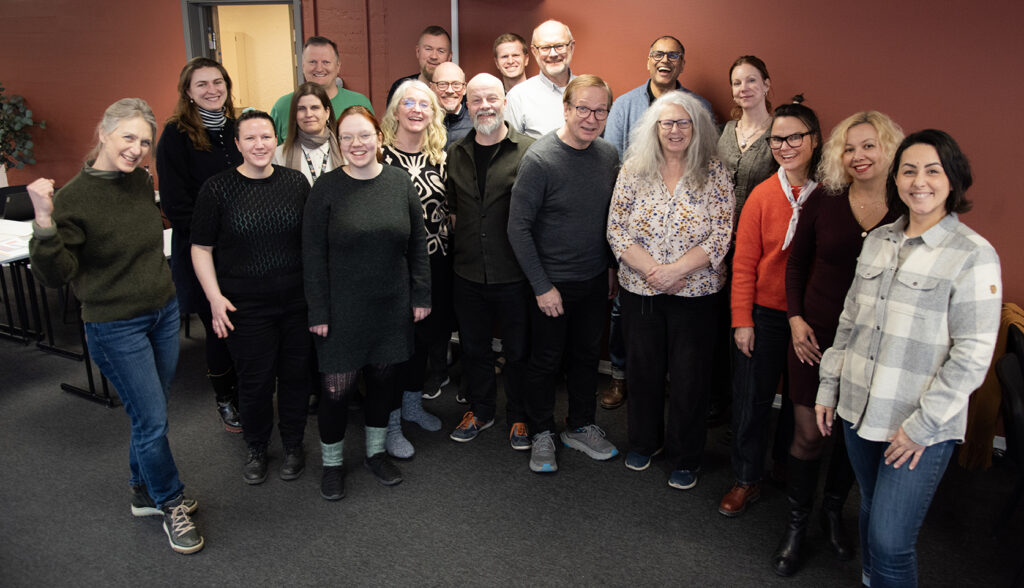
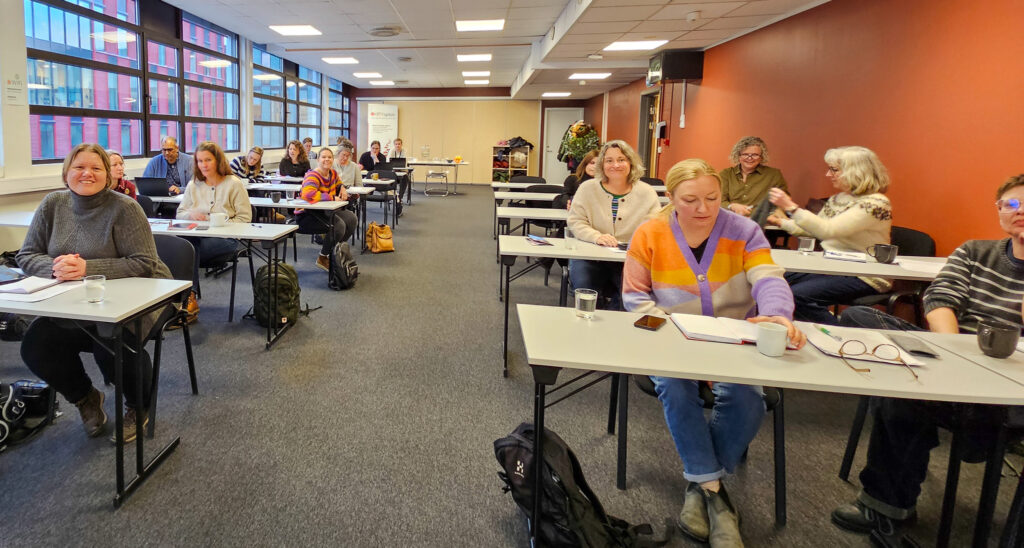
Visits, exchanges and project meetings
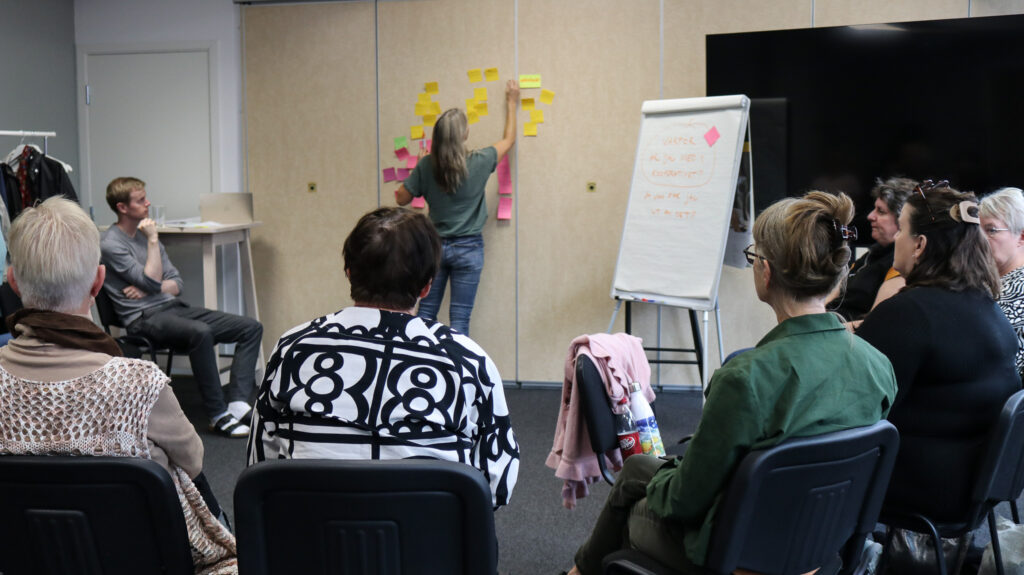
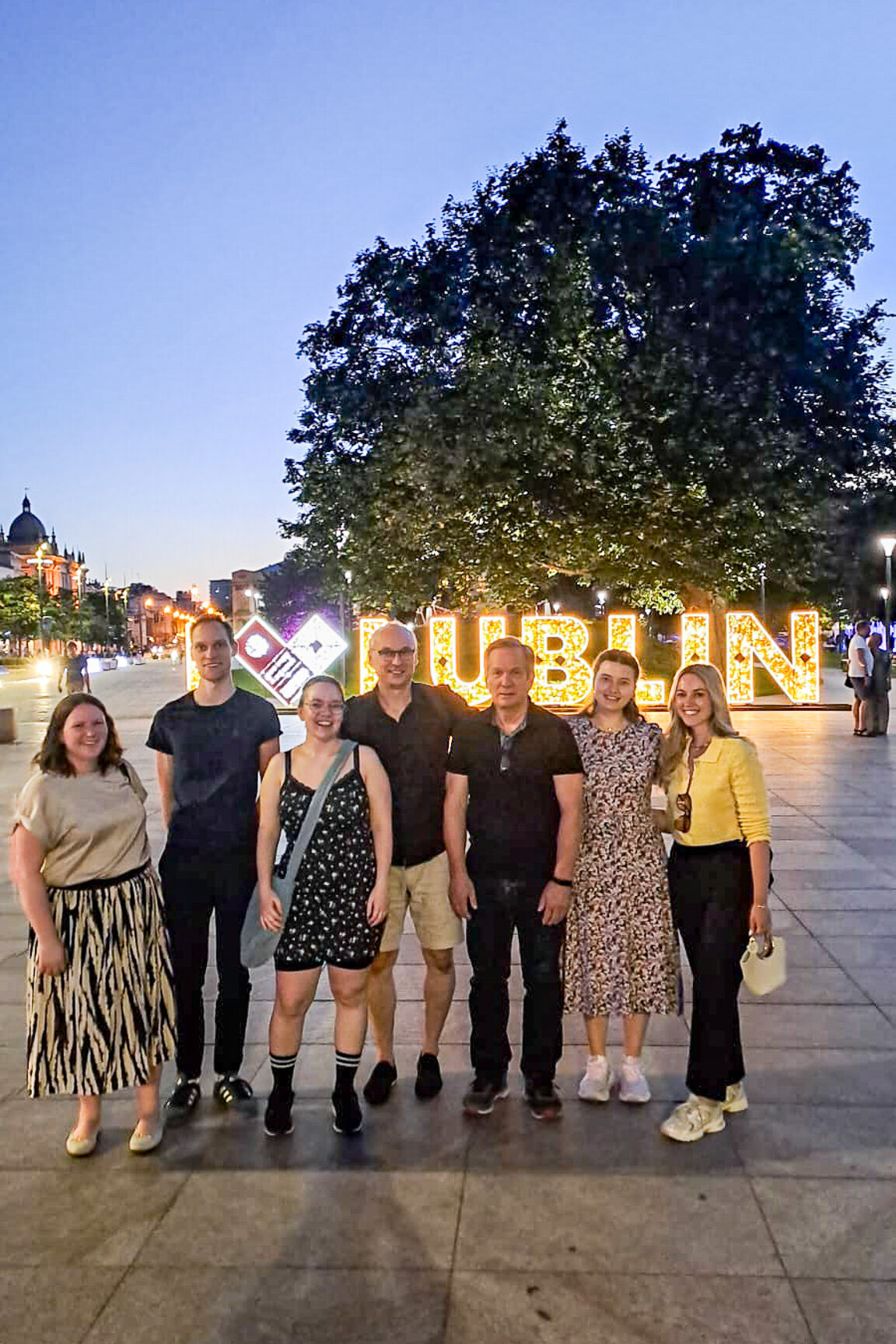
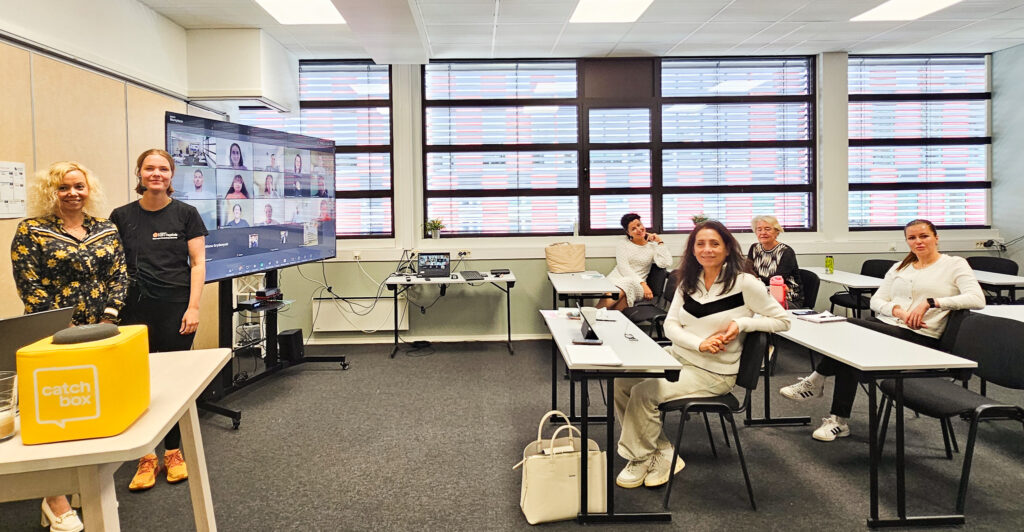
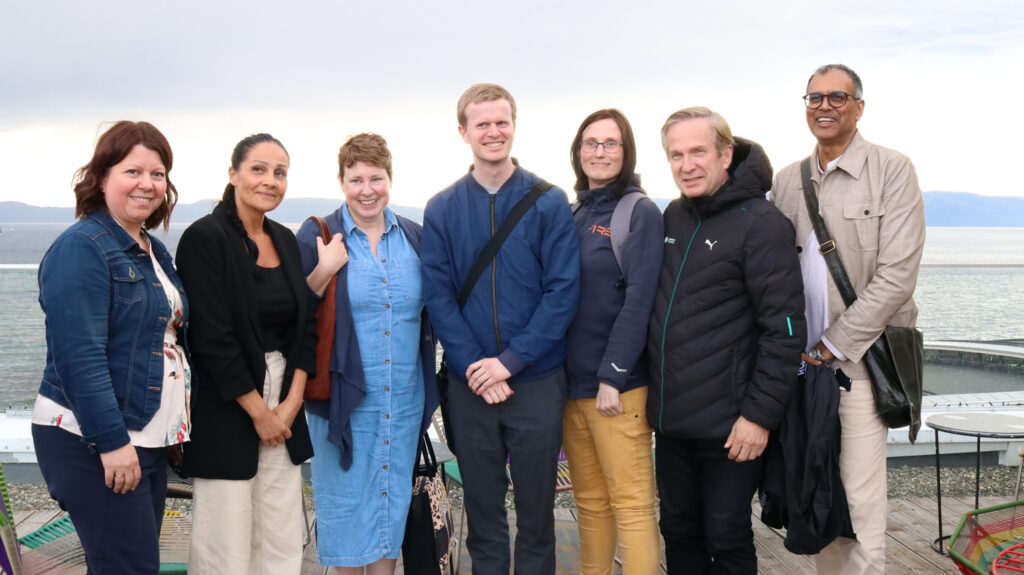
A record of some of the partners, delegations and project teams we meet, in Trondheim and across Europe.
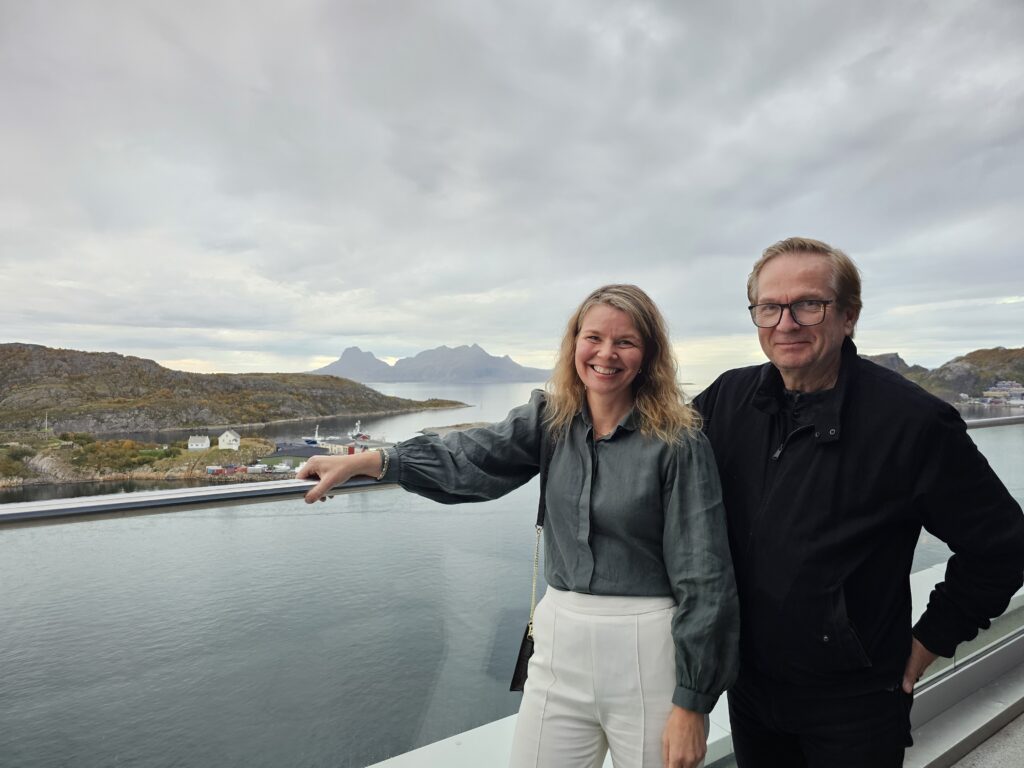
The office
International Office
The International Office coordinates partnerships, mobility, projects and international enquiries on behalf of the college, and is actively seeking partners around the world to collaborate with KBT Vocational College in new ways.
Leadership
Head of International Office: Nils-Erik Volden
Nils-Erik Volden is an International Coordinator, qualified lecturer in psychology and PhD Candidate in Psychology. He is involved in the college's international work across a range of countries, including China, India, South Africa, Brazil, Poland and Ukraine. His work includes collaboration with partner universities, public institutions, government bodies and other relevant organisations, as well as projects supporting Ukrainian war veterans in Norway. He also contributes to teaching and the development of digital mental health programmes.
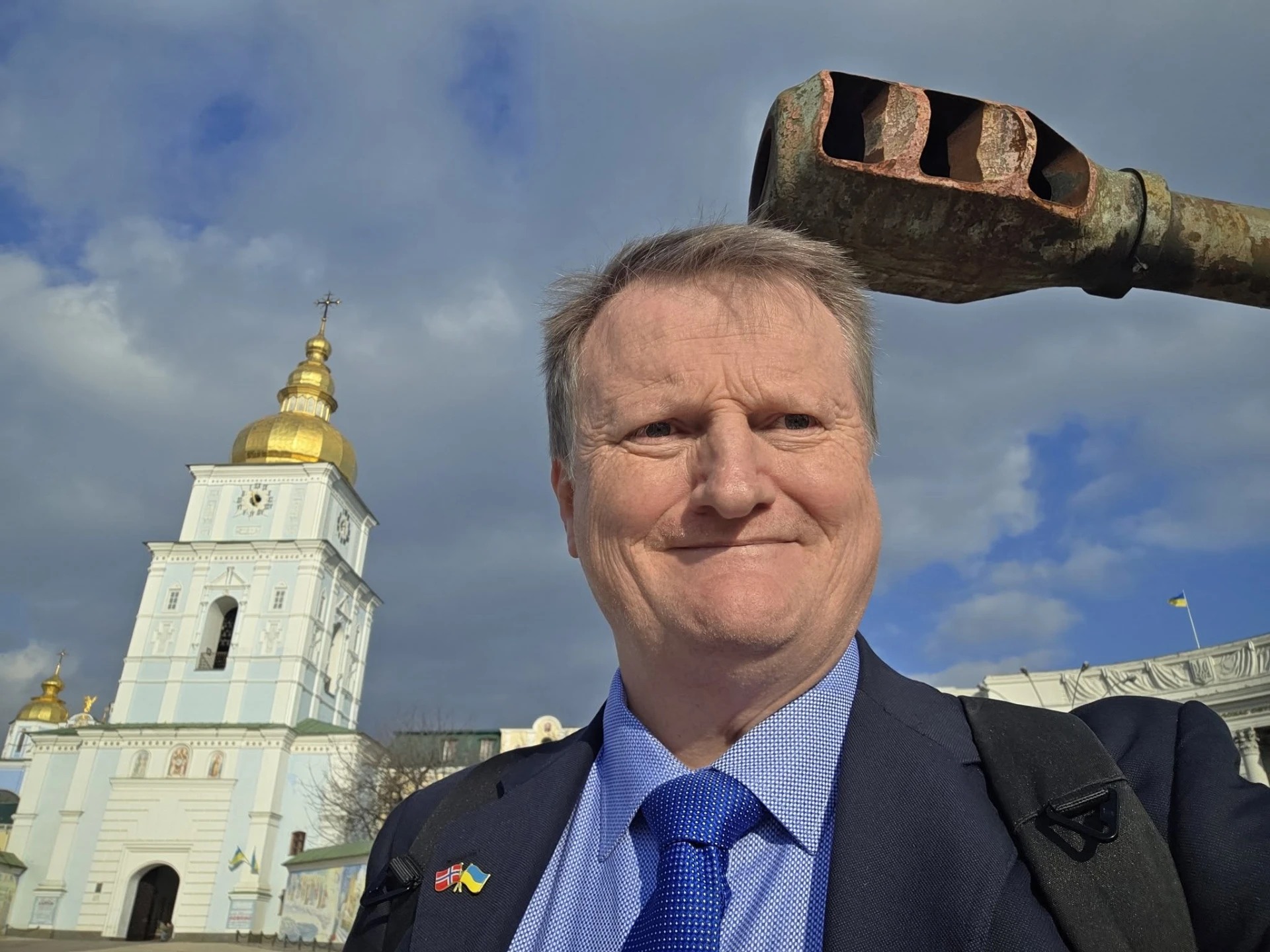
Responsibilities
- · Partnership agreements (MoU and LoI) and consortium cooperation
- · Erasmus+ mobility and the Erasmus Charter (ECHE)
- · International practice placements for students
- · Project development, applications and reporting
- · Incoming visits, delegations and guest lectures
- · The Norwegian State Educational Loan Fund
How we work with programmes and staff
The office works closely with the study programmes so that international activity is integrated into teaching and supervision. Students on placement abroad continue to follow their teaching in Norway digitally, and staff mobility is planned together with the professional environments that will use the experience afterwards.
International Office, Mobility
Mobility and placements
- · Student placements and study visits abroad
- · Practical information for incoming students
- · Mobility documentation, agreements and follow-up
International Office, Projects & Research
Projects and research cooperation
- · Project development and funding applications
- · Project coordination and reporting
- · Applied research and development cooperation
Let's explore what we can build together
Get in touch with the International Office to discuss cooperation, visits or project ideas.